
Category: BLOG
-

El Niño Hits: How Employers Can Protect Workers’ Nutrition
The growing intensity of El Niño is raising concerns about its potential impact on food security, livelihoods, and economies worldwide. While much of the attention has focused on agricultural production and food supply chains, the consequences can extend to workers and their families through rising food prices, reduced incomes and difficult working conditions. These challenges…
-
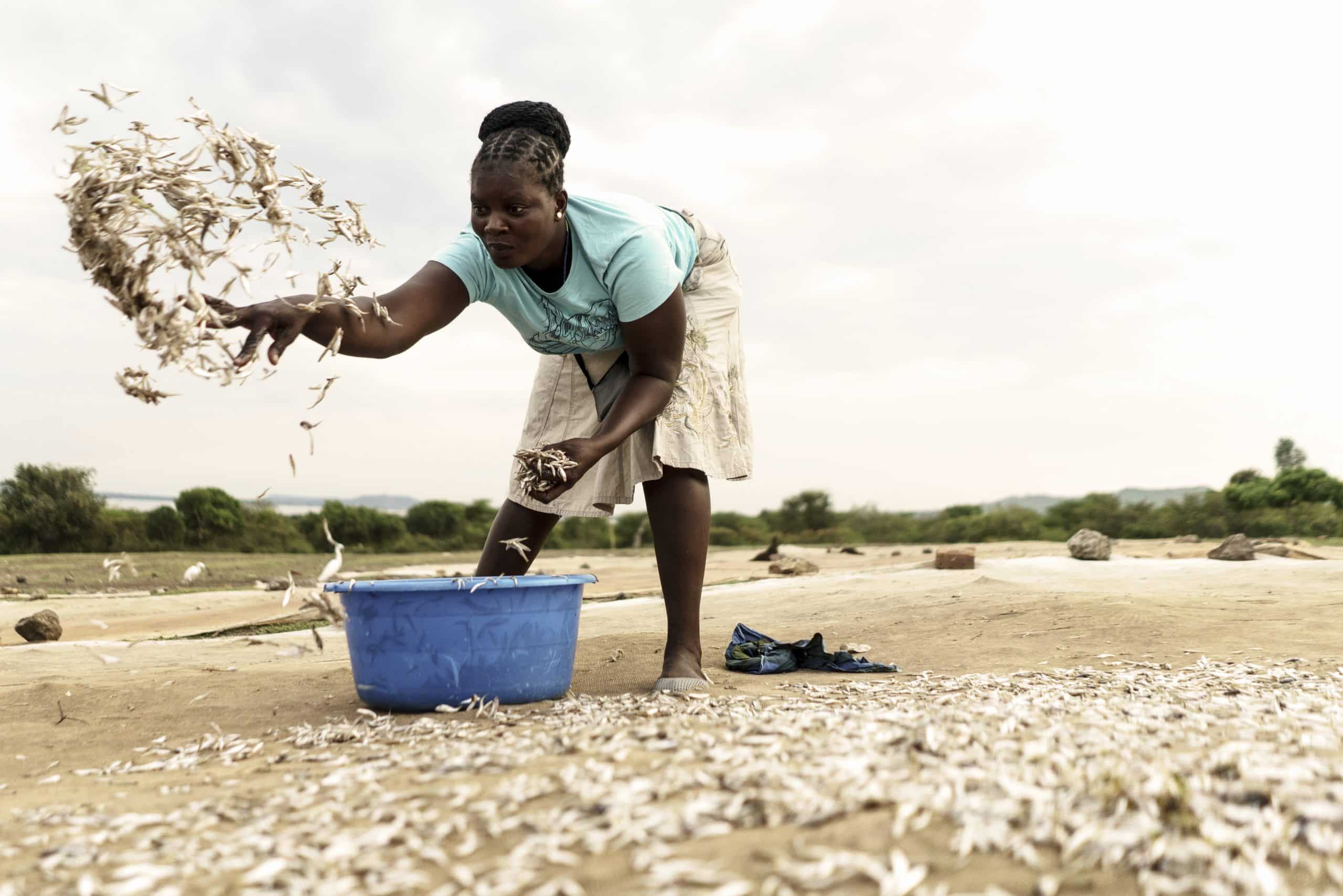
Less Food Waste, Better Nutrition: What Workplaces Can Do
Every year, a huge amount of food that could have been eaten is lost or wasted. In 2022 alone, around 1.05 billion tonnes of food were wasted globally, with nearly 19% of the food available to consumers going to waste UNEP Food Waste Index Report 2024. At a time when food insecurity remains a major…
-
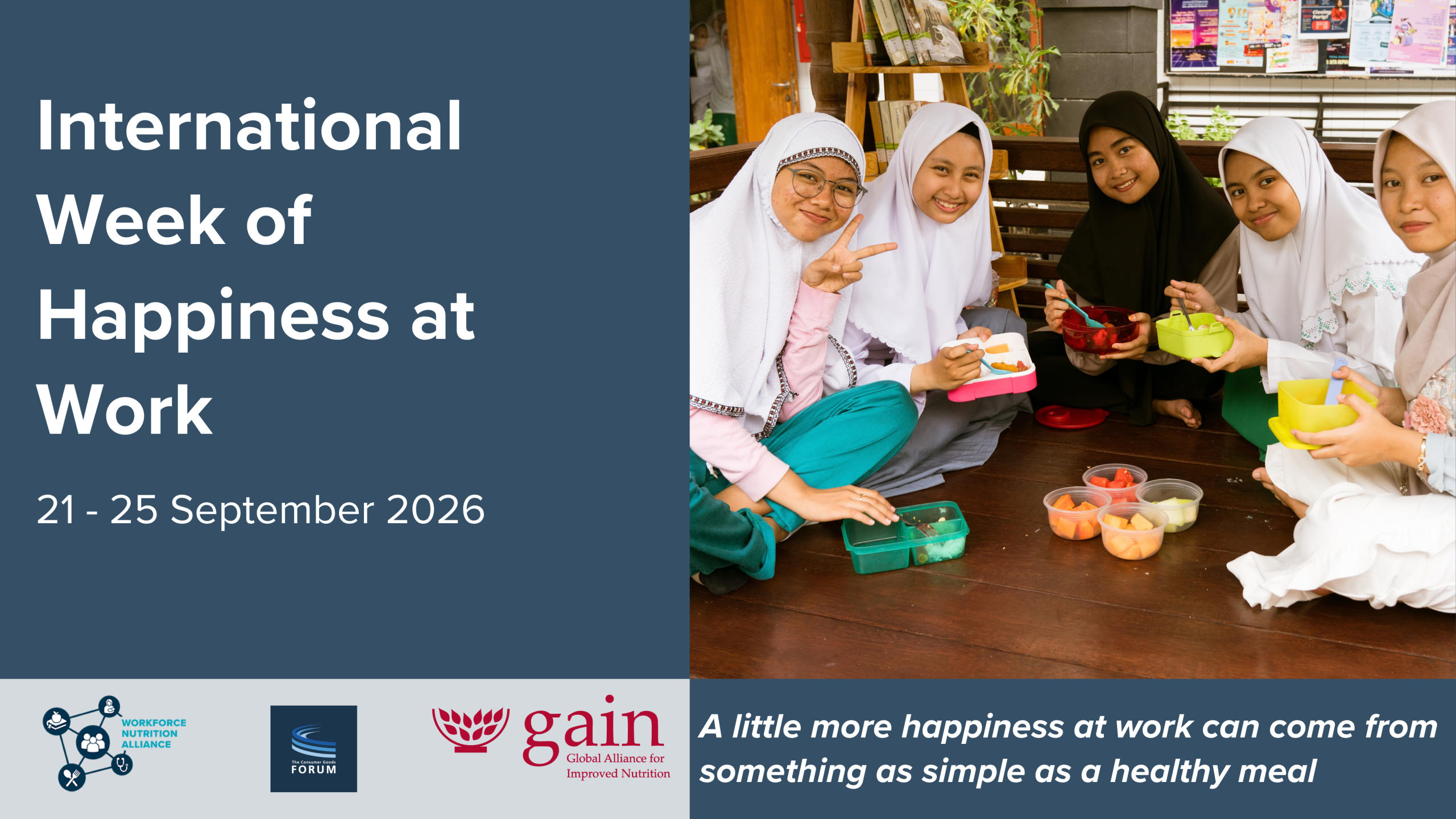
Happiness at Work: There Is a Place for Nutrition Too
A healthy and nutritious meal can nourish us. When shared with colleagues, it can also give us a moment to pause, connect, laugh, and enjoy each other’s company. This is exactly one of the benefits of workforce nutrition. This week, as we mark the International Week of Happiness at Work, much of the conversation will…
-
The Future of Work Starts Earlier Than We Think
The world of work is changing rapidly. According to the World Economic Forum’s Future of Jobs Report 2025, employers expect skills such as analytical and creative thinking, resilience, flexibility, and agility to remain critical as workplaces respond to technological change and other major shifts. By 2030, nearly 40% of the skills required on the job…
-
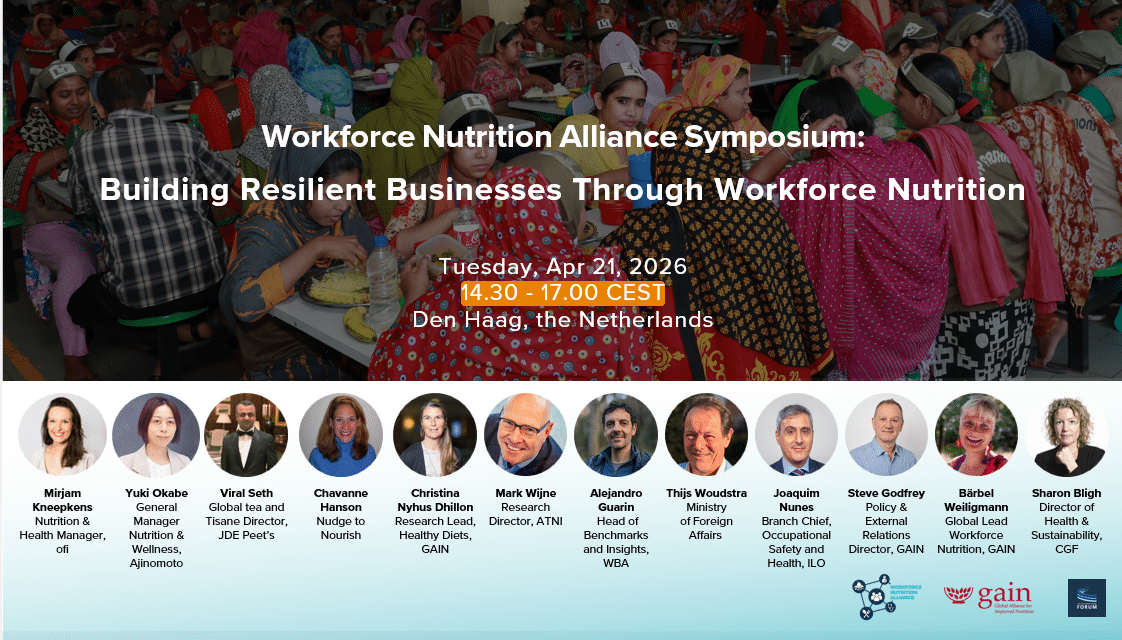
Healthy Workers, Stronger Businesses: Key Takeaways from the Workforce Nutrition Symposium
Long ago, most companies saw workplace productivity as solely driven by technology, strategy, and financial investment. This narrative is changing as companies across sectors are beginning to pay attention to the silent echoes of evidence that productivity is also driven by workers who are healthy, nourished, and able to thrive. That message came through strongly…
-
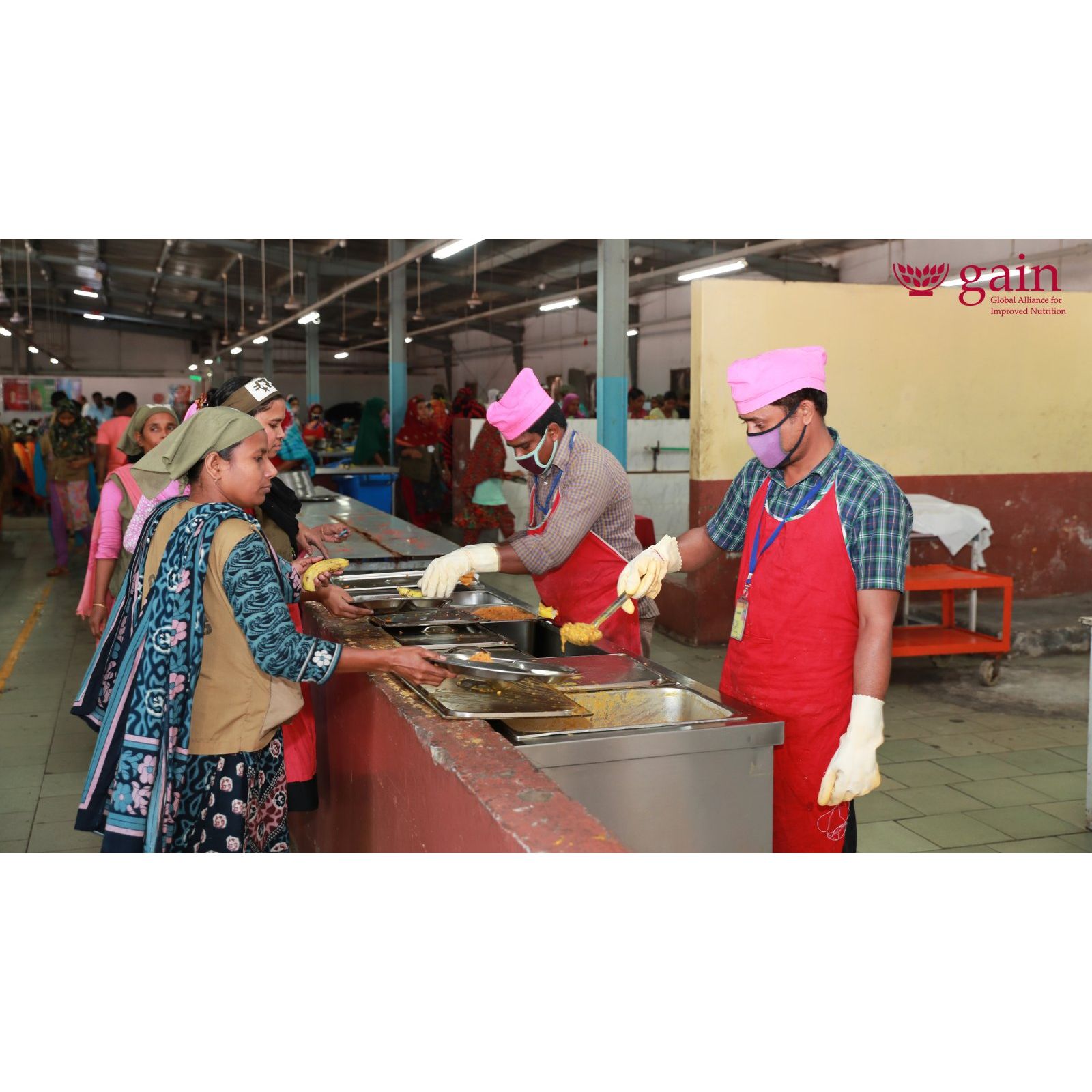
6.7 Million Employees Reached Through Workfroce Nutrition Programmes
The Workforce Nutrition Alliance, launched by Global Alliance for Improved Nutrition (GAIN) and The Consumer Goods Forum (CGF) in 2019, has published a five-year report on the progress of its support to organisations seeking to adopt and enhance employee health and wellbeing initiatives. Please click below to read the full report.
-
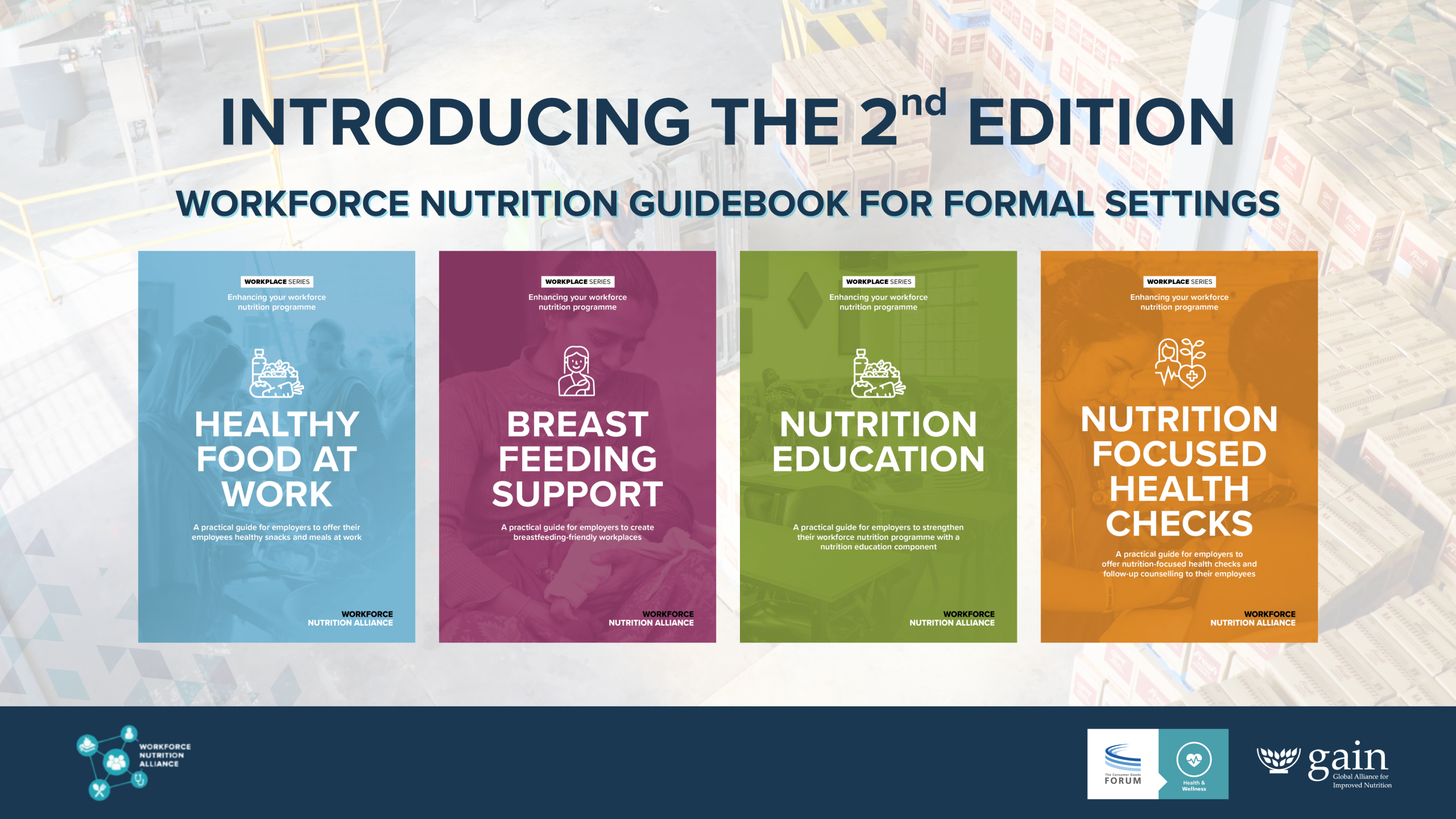
A New Edition of Workforce Nutrition Formal Guidebooks
Workforce Nutrition Alliance has launched the 2nd edition of its formal guidebooks for all four pillars: Healthy Food at Work, Breastfeeding Support, Nutrition Education, and Nutrition‑Focused Health Checks. These updated versions mark a significant step forward in supporting employers to create healthier, more productive work environments. Key upgrades include: Each guidebook now includes a dedicated…
-
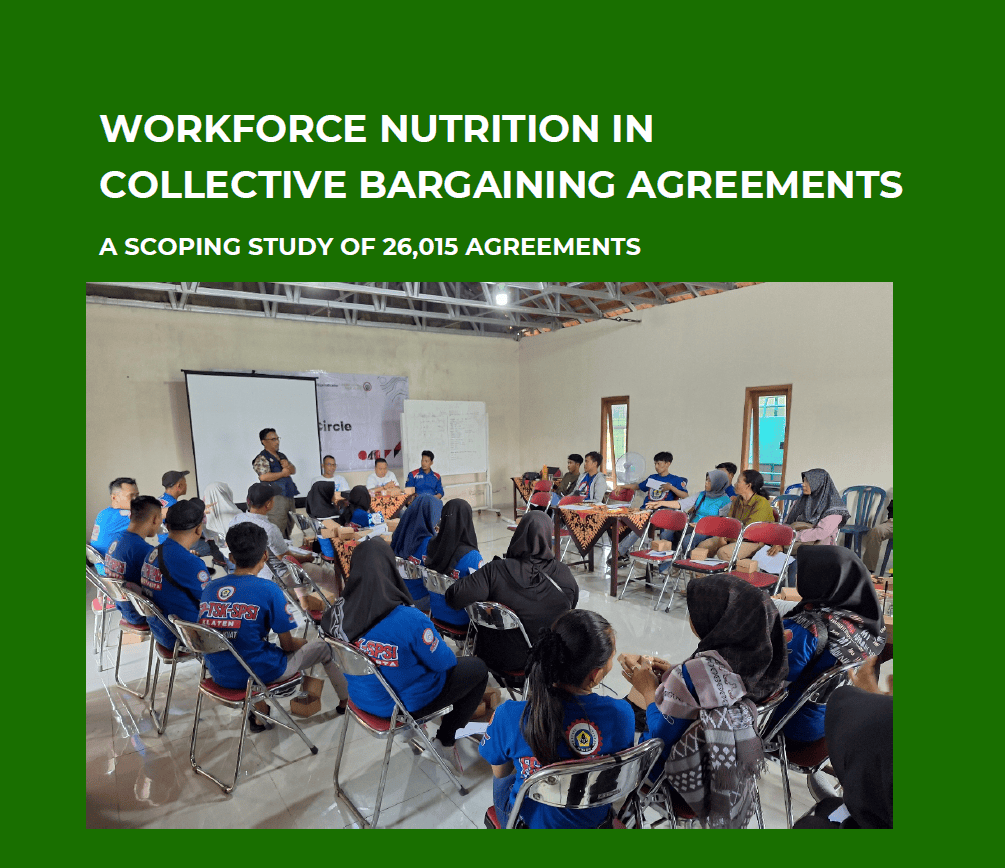
Workforce Nutrition in Collective Bargaining Agreements: An Untapped Opportunity for Workplace Wellbeing
Workforce nutrition (WFN) is often viewed through the lens of company-led initiatives, including healthier canteens, corporate wellness programmes, breastfeeding rooms, or nutrition education sessions. Though WFN programme is valuable and beneficial to both employers and employees in areas including improved energy levels and cognitive performance, lower absenteeism, stronger workforce morale, and long-term human capital development,…
-
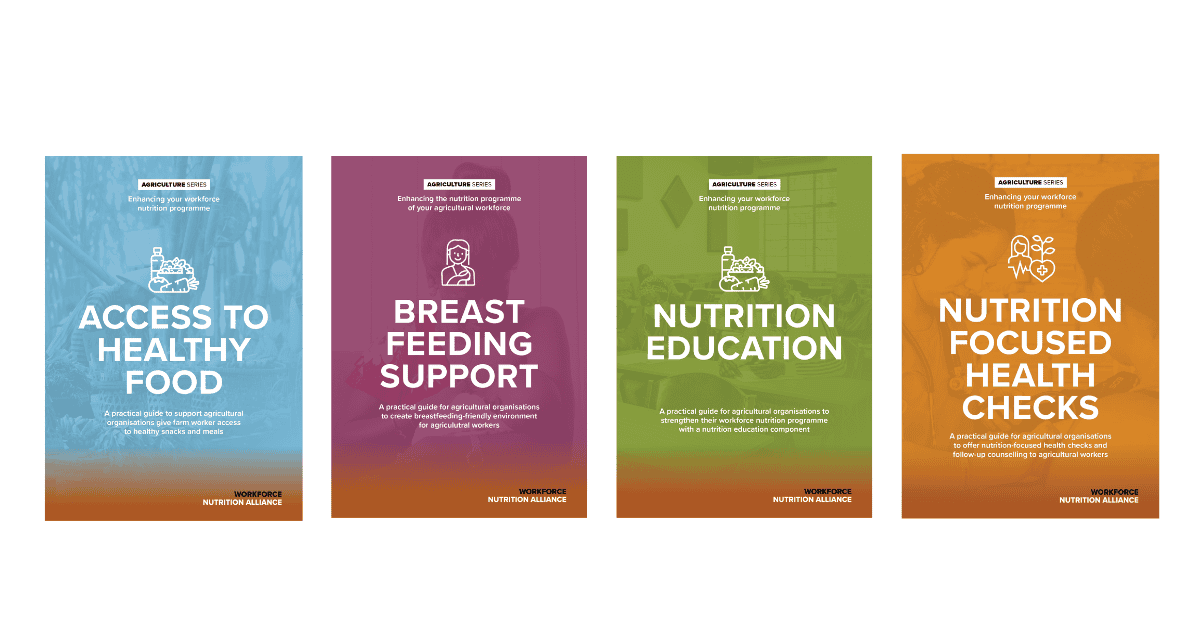
Farmer Nutrition Deserves Attention: A New Guidebook Series Designed for Organisations Working with Smallholder Farmers
Across agricultural supply chains, smallholder farmers rise before sunrise, work long hours in the field, and sustain the global food system. Yet many continue to face food insecurity, limited dietary diversity, malnutrition, preventable health conditions, and inadequate support during critical life stages such as pregnancy and breastfeeding. These challenges are not isolated. They influence household…
-
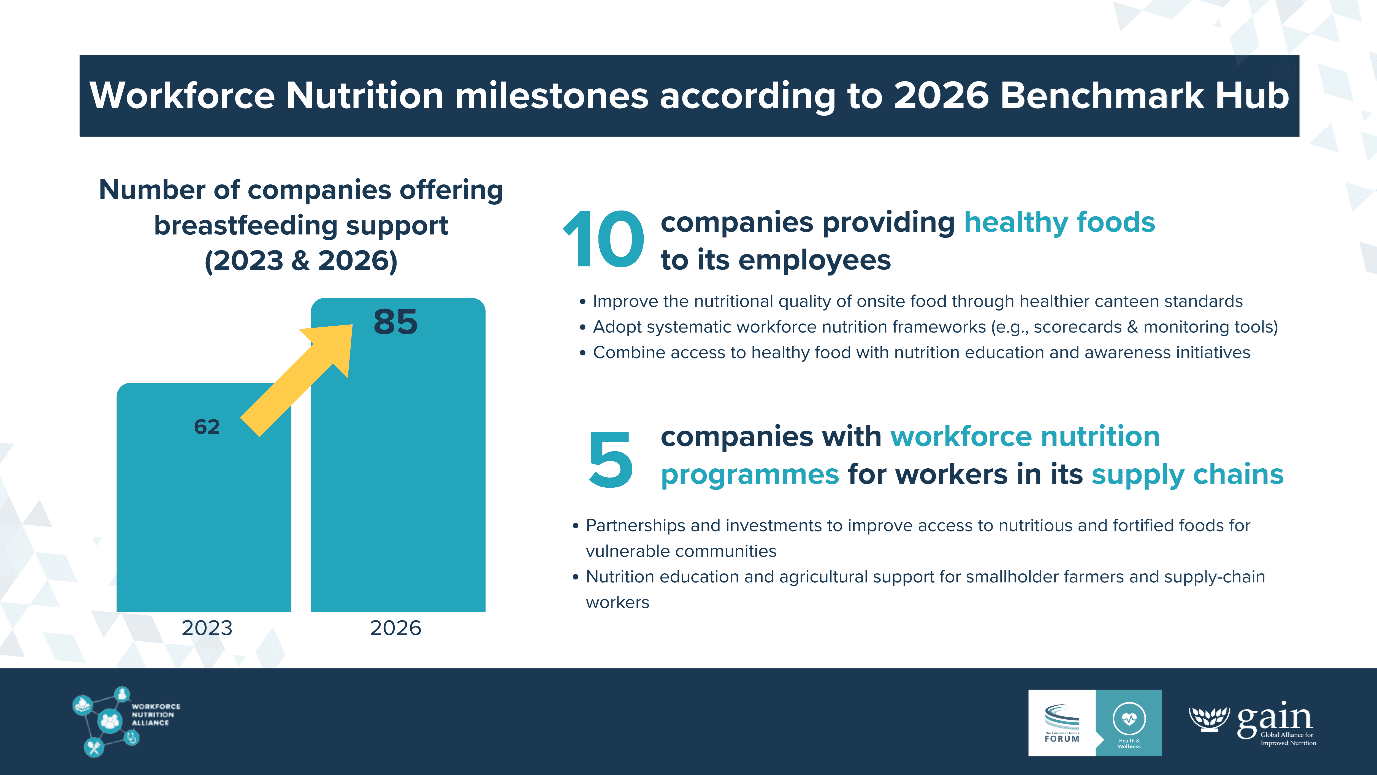
Workforce Nutrition in the 2026 World Benchmarking Alliance Publication
A strong foundation and a clear opportunity to lead The 2026 World Benchmarking Alliance (WBA) Food and Agriculture Benchmark shows that companies continue to be the primary drivers of workforce nutrition action, and workforce nutrition remains one of the more advanced healthy food systems indicators measured. Out of 350 companies assessed, 86 reported implementing workforce…