
The world of work is changing rapidly. According to the World Economic Forum’s Future of Jobs Report 2025, employers expect skills such as analytical and creative thinking, resilience, flexibility, and agility to remain critical as workplaces respond to technological change and other major shifts. By 2030, nearly 40% of the skills required on the job are expected to change.
Preparing the workforce of tomorrow starts much earlier
Long before someone enters a classroom, develops professional skills or joins the workforce, important foundations for their health, growth and development are already being laid. Nutrition during the first 1,000 days – from pregnancy through a child’s second birthday – is particularly important for healthy growth and development. Breastfeeding is an important part of this foundation.
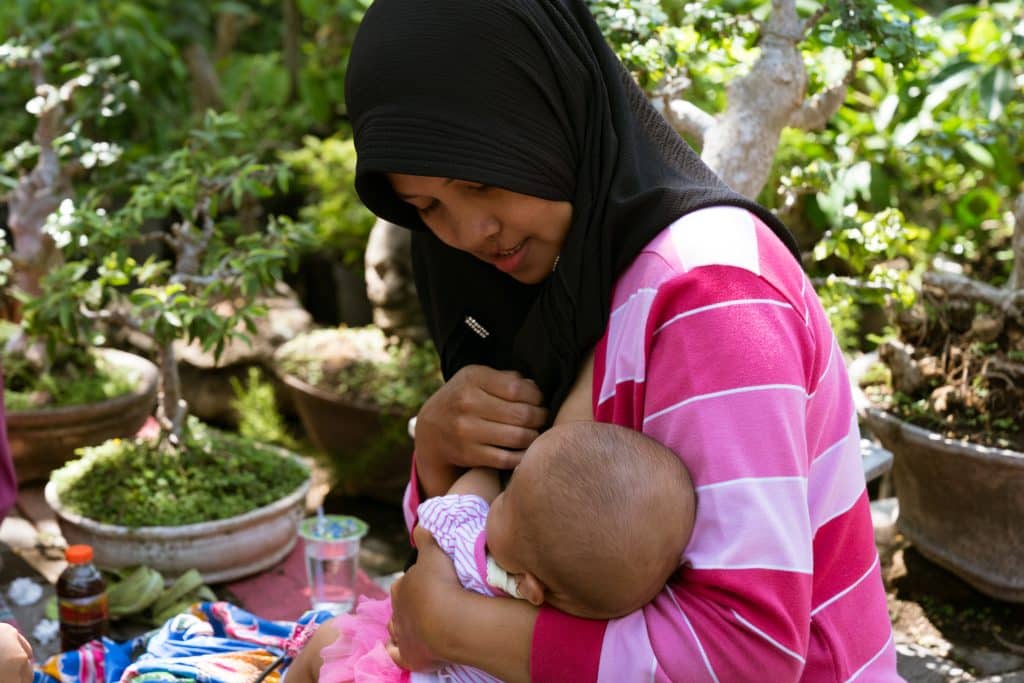
The World Health Organization recommends exclusive breastfeeding for the first six months of life, followed by the introduction of safe and nutritious complementary foods while breastfeeding continues for up to two years. Breast milk provides the energy and nutrients infants need during their first months of life and contains antibodies that help protect against common childhood illnesses. Evidence also associates breastfeeding with longer-term benefits, including lower risks of overweight, obesity and diabetes, as well as better performance on intelligence tests.
The benefits extend to mothers too. Breastfeeding is associated with a reduced risk of breast and ovarian cancers, among other health benefits. Breastfeeding is one of the early investments that can contribute to healthier development and, over time, stronger human capital.
Breastfeeding requires an enabling environment
If the benefits are well established, an important question remains: Are mothers being given the support they need to breastfeed?
Breastfeeding does not happen in isolation. Families, communities, health systems, governments and workplaces all influence whether a mother can start and continue breastfeeding. For working mothers, returning to work can make continuing breastfeeding particularly challenging. This is where employers have an important role to play.
Employers can create a more breastfeeding-friendly workplace by:
- Providing adequate maternity and parental leave
- Creating safe, private and hygienic lactation spaces
- Providing breastfeeding breaks and flexible working arrangements
- Providing access to reliable nutrition and breastfeeding information
Supporting breastfeeding benefits not only mothers and children. For businesses, creating a workplace where employees feel supported through important stages of their lives can contribute to employee wellbeing, morale and retention, while helping working mothers balance breastfeeding and work with greater confidence. Organisations that invest in breastfeeding programmes for their employees save costs. The U.S. Breastfeeding Committee reports that for every $1 invested in supporting breastfeeding, employers realize $3 in cost savings.
Strengthening what already works
The theme for World Breastfeeding Week 2026 – “Breastfeeding for a sustainable start in life: strengthen what works” is a reminder that much of what needs to be done is already known. The opportunity is to create environments where these proven approaches become part of everyday practice.
For employers, this means looking beyond the skills their workforce needs today and recognising the role they can play in supporting healthier families and strengthening human capital for tomorrow. Explore the Workforce Nutrition Alliance Breastfeeding Support Guidebook and find practical ways to create a more breastfeeding-friendly workplace.